




Professor, Attending Physician
University of Chicago, Chicago Medicine
Chicago, Illinois, United States
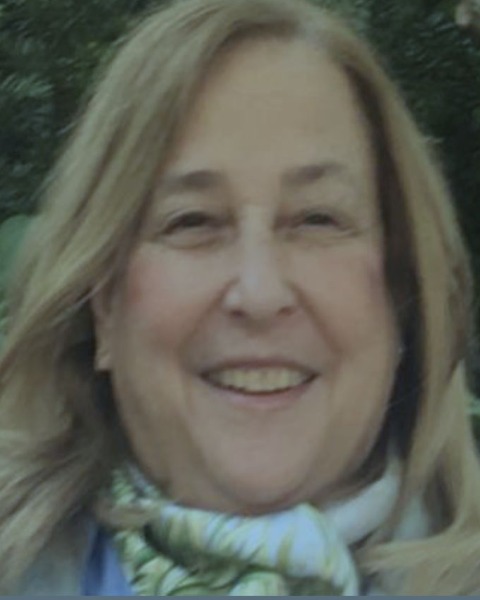
Rima McLeod, M.D., F.A.C.P., F.I.D.S.A., F.A.A.A.S., is Professor of Ophthalmology and Visual Sciences, Pediatrics (Infectious Diseases), and
in The College. She is Director, Toxoplasmosis Center, Senior Fellow, Institute of Genomics, Genetics and Systems Biology, Member,
Committees on Immunology, and Molecular Medicine and Pathogenesis, Member and Steering Committee Global Health Center, Affiliate CHeSS;
Attending Physician, Chicago Medicine, at The University of Chicago. She is a participant in the Toxoplasmosis programs in Panama and Colombia and in the United States, She has been the Principal Investigator of The National Collaborative Chicago Based Congenital Toxoplasmosis Study.
She received her A.B. (Zoology) with Honors and Distinction,Phi Beta Kappa, University of California, Berkeley, CA; M.D., University of California School of Medicine, San Francisco, CA; Internship in Medicine, Hospital of the University of Pennsylvania, Philadelphia, Residencies- Junior Assistant Resident, Department of Medicine, Hospital of the University of Pennsylvania; Senior Assistant Resident, Department of Medicine, University of California Hospitals, San Francisco; Fellow in Infectious Diseases, Stanford University School of Medicine and Palo Alto Medical Research Foundation.
She works in basic, translational and clinical studies with Toxoplasma gondii and toxoplasmosis, with the goal of understanding and eliminating this infection. This is with funding from NIH,NIAID,DMID for decades, MOD, Foundations including the Thrasher Foundation and others.She is an International expert in this area with more than 200 original manusccript publications and book chapters. She is working to develop prenatal screening programs in the USA, Latin America and North Africa and with colleagues in France to promptly diagnose to enable treatment to prevent ongenital toxoplasmosis. She is working to understand pathogenesis of human toxoplasmosis and its consequences, to make vaccines to prevent infection for people and for the cat vector, and to create and develop medicines to cure this infection definitively.
Monday, February 12, 2024
1:00 PM - 1:20 PM